
The Nephite Wars and Their Moral Logic
Book of MormonThis flow traces the movement from defensive necessity to political division, retaliatory anger, and catastrophic warfare.
increasing Bearing strength in each event
 decreasing
Bearing strength in each eventdecreasingDefense Justified

Protecting the Covenant
Threat
Nephites defend homes, families, liberty, and worship against invading armies.
Limits
They are taught not to give the first offense and to fight only when necessary.
Conflict Development
War is morally framed as reluctant protection rather than conquest.
Amalickiahite Invasion
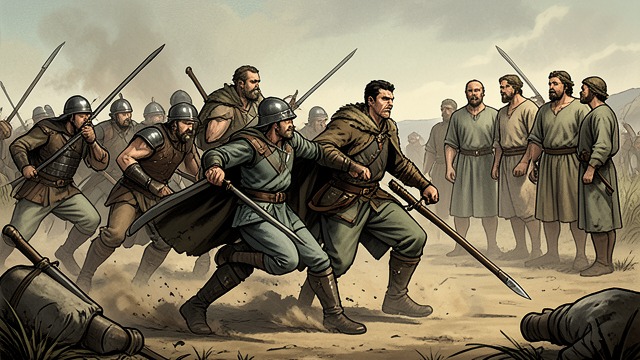
War Enlarged by Ambition
External Attack
Amalickiah turns Lamanite power against the Nephites.
Internal Weakness
King-men and political dissension prevent unified defense.
Conflict Development
Foreign war intensifies when leaders pursue power inside the community.
Moroni’s Restraint

Victory Offered as Peace
Encircled Enemy
Moroni gains advantage but orders his soldiers to stop killing.
Covenant Demand
He offers life if the Lamanites surrender weapons and covenant not to return.
Conflict Development
Military strength is used to create a path toward peace.
War of Attrition
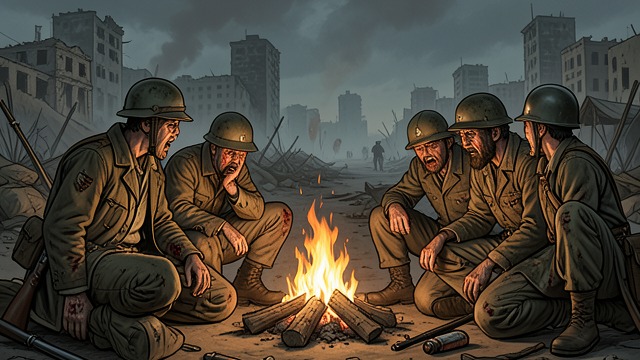
Exhaustion and Neglect
Prolonged Campaigns
Cities change hands while armies suffer hunger, wounds, and inadequate supplies.
Political Failure
Governmental faction and indifference cost thousands of lives.
Conflict Development
The war becomes a test of internal justice as much as battlefield skill.
Bloodshed Without Repentance
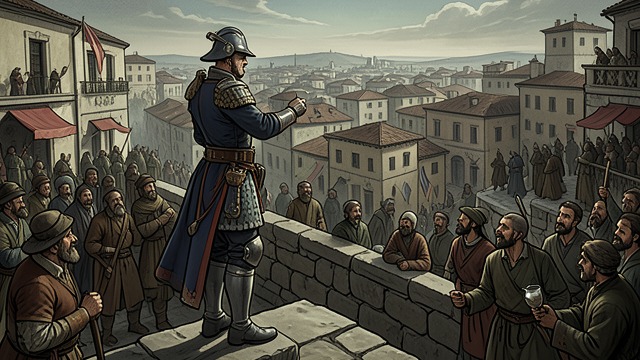
Victory Cannot Heal Sin
Temporary Peace
The people recover cities and prosper again.
Spiritual Damage
Many remain hardened, proud, and forgetful despite repeated deliverance.
Conflict Development
Military success without repentance postpones rather than resolves destruction.
during the first major Nephite wars
nineteenth to twenty-fifth years of the Reign of the Judges
during the first battle with Zerahemnah
twenty-sixth to thirty-first years of the Reign of the Judges
after the Nephites regain their lands
